
South Korea is aiming to cut down on the proportion of crude oil imports from the Middle East to 50% by 2035, as it seeks to diversify energy sources and mitigate risks of interruptions to international shipping lanes.
The target forms part of a new 10-year plan for the security of natural resources announced by South Korea’s Industry Ministry. The government stated that recent disruptions in global energy flows had underscored the need for a significant restructuring of the nation’s energy supply chains.
South Korea’s crude imports came 70% from the Middle East
In 2025, South Korea imported approximately 70% of its crude oil from the Middle East, and the majority of this oil passed through the critical Strait of Hormuz.
This over-dependency on one area has raised concerns about the South Korea’s energy system being vulnerable to disruptions in shipping lanes or production. The new plan by the government is designed to distribute procurement among a broader base of suppliers.
Crude oil reserves to increase
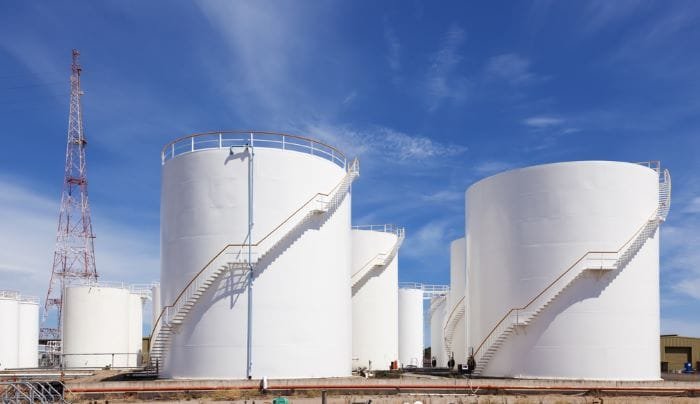
The strategy includes a plan to build up Seoul’s crude oil reserves by around 20 million barrels by 2030.
The government is also looking for extra supplies of condensate, a very light form of crude oil, which is primarily used to produce naphtha, an important feedstock for the petrochemical industry. Tightened naphtha supplies have been experienced since Middle East disruptions in South Korea.
The Industry Ministry quotes data showing that South Korea currently imports approximately 45% of the naphtha it consumes, with around 77% of the naphtha being sourced from the Middle East.
Natural gas dependence also targeted
Crude oil is not the only area of diversification being discussed.
South Korea is targeting to reduce the reliance on the Middle East for natural gas imports to under 30% by 2035. The government claimed that by 2025 the dependence had already reached about 20%.
The shift is part of a larger campaign to diversify the country’s energy supply sources and minimize its reliance on foreign energy supplies.
The list of critical minerals is to be expanded
Materials for South Korea’s advanced industries are also included in the resource-security roadmap.
The government is looking to expand the country’s critical minerals list from 38 to 51. The additions are 10 rare-earth elements and germanium, which is used in semiconductor production, among other things.
South Korea is a leading manufacturing and technology economy and reliable energy and industrial raw material supplies are especially critical for its petrochemical and semiconductor industry and other high-value sectors.
Focus shifts toward supply-chain resilience
The new policy is made up of a number of measures, such as alternative energy suppliers, bigger emergency reserves and wider access to critical minerals.
The target is not to simply cut down on Middle Eastern imports, but to establish a supply chain that is less vulnerable to the disruption of any one region or transportation route for South Korea. The move is a fundamental change in the government’s resource-security strategy, it said.
