
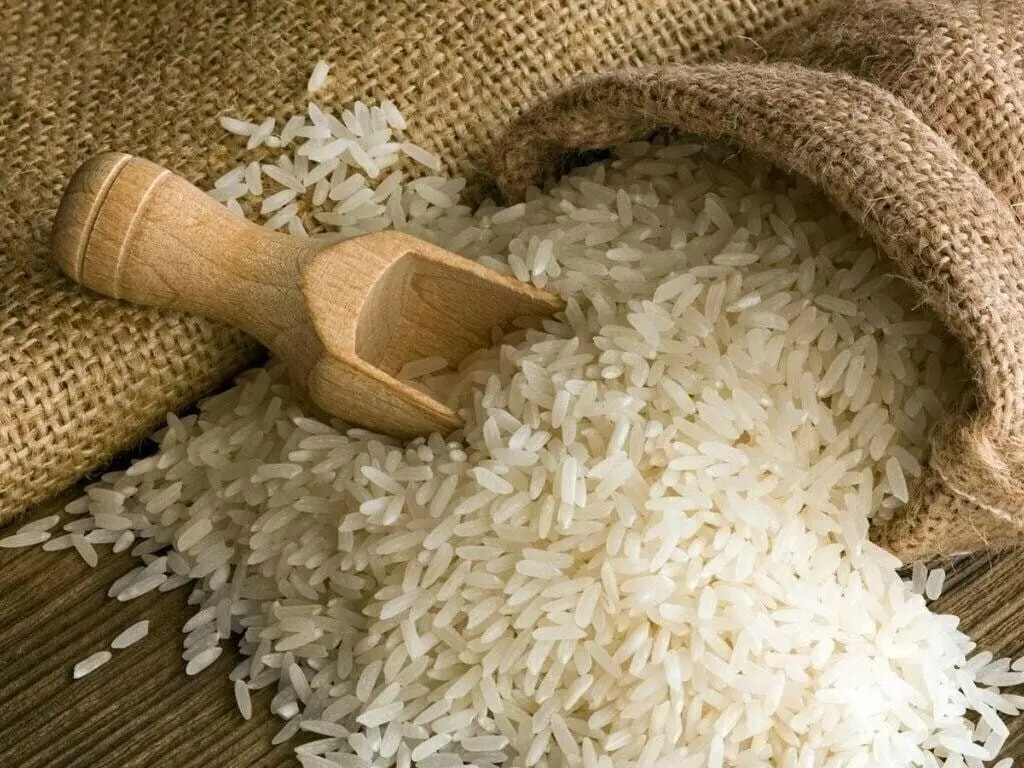
During the first two months of the 2026-27 fiscal year, Pakistan’s rice exports have reached a record high, driven by robust growth in both Basmati and non-Basmati varieties.
Provisional data released by Pakistan Bureau of Statistics (PBS) shows that the country exported approximately 654,619 metric tonnes of rice valued at $391.7 million in July and August. This was 24.7% up from the 545,572 tonnes shipped during the same period last year.
According to a separate industry analysis by Arif Habib Limited, the total was approximately 655,000 tonnes with export volumes up 20% year on year. Rice export earnings were estimated at approximately $392 million, up 25%.
It was especially good in August. Rice exports jumped 22 per cent on the previous year to 308,000 tonnes and export revenue grew 31 per cent to $192 million. During the month, Basmati exports increased by 58% to 78,000 tonnes.
Basmati rice also had the best performance over the two months. This rose to approximately 146,000 tonnes, an increase of 43% from approximately 102,000 tonnes the previous year. Basmati earnings were up 53% to about $164 million.
There was also an uptick in exports of non-Basmati varieties. In July-August, Pakistan exported approximately 509,000 tonnes of other rice, whereas in the same period last year, it exported around 443,000 tonnes. The value of these varieties increased to approximately $228 million.
At the beginning of the new financial year, rice has emerged as one of the major export items of Pakistan’s merchandise exports. Arif Habib Limited estimates that rice exports were 7.1% of total exports in the first two months of the year, compared to 6.2% in the previous year.
The latest data follows a tough last financial year for Pakistan’s rice industry. The strong beginning to FY2026-27 rice exports was a welcome turnaround from a sharp decline in the first 10 months of FY2025-26, official data indicated.
Exporters will continue to be affected by the demand and international market conditions in the coming months. Pakistan is also a competitor in the rice market with main suppliers like India and Thailand, and production, price and cost of shipping can easily influence export volumes. India recently forecast a sharp fall in rice production in 2026, but will be able to keep a significant amount of exports due to large government stocks, according to Reuters.
Pakistan has also fixed a target for the cultivation of rice in the next Kharif season 2026-27. The government has targeted to grow rice on approximately 3.39 million hectares and is expecting to produce 9.17 million tonnes, including exportable supplies.
The rice industry has started the new financial year on positive note with good performance in the month of July-August. However sustaining that pace will be dependent on the crop output, global prices, the demand from abroad and the cost of transporting shipments to foreign markets.
