
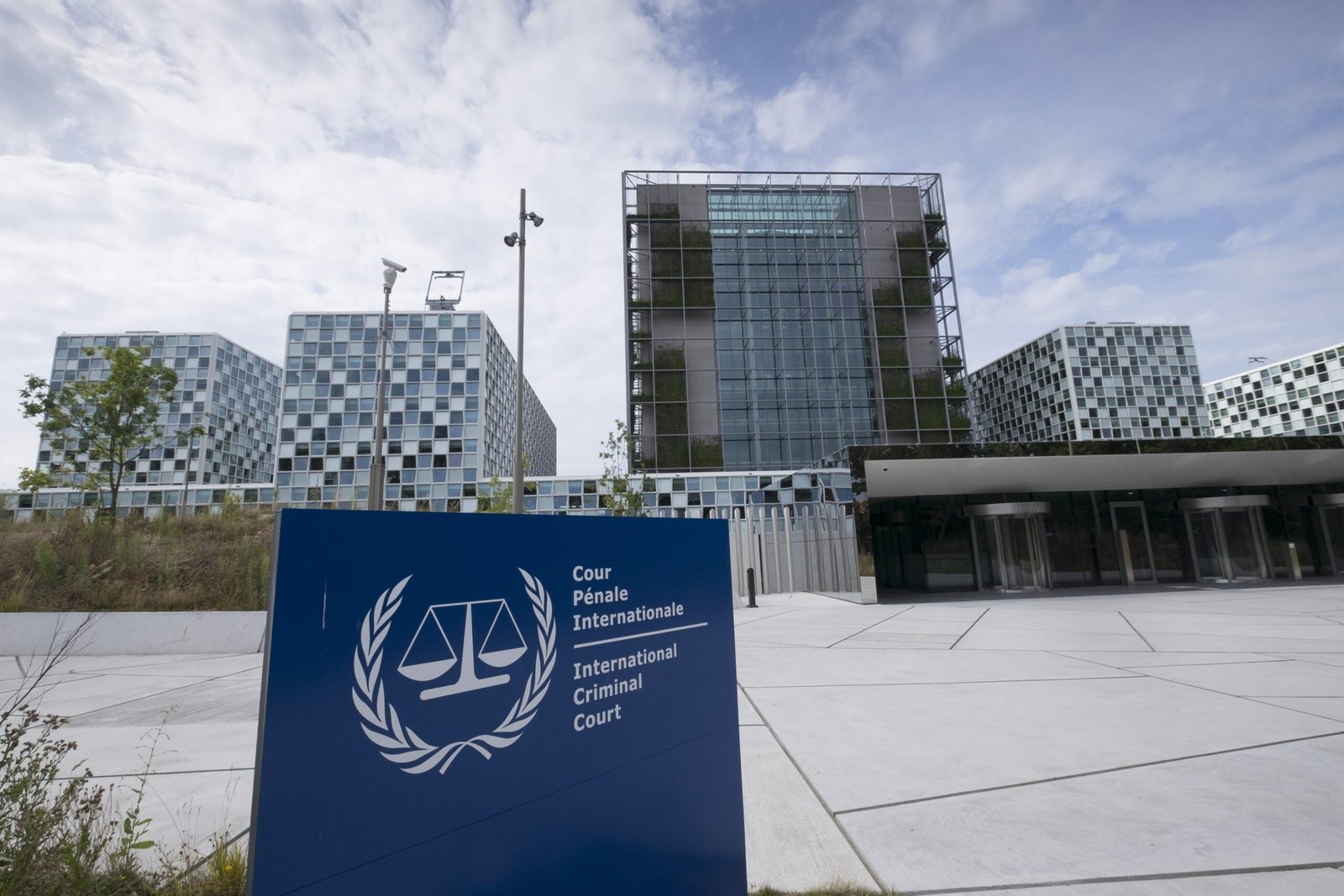
The Trump administration has drafted sanctions against the International Criminal Court ahead of the United Nations General Assembly in New York this week, as it ratchets up the pressure against the court.
Washington is not just considering sanctions targeting individual judges and prosecutors, but also the court as an institution, two sources with knowledge of the situation told Reuters.
The proposed actions would be a wider step-up in the US pushback against the ICC. Washington has already sanctioned several court officials, but has yet to go so far as to place the entire organization under US sanctions.
Secretary of State Marco Rubio announced in July that the United States would seek to isolate the court and called on countries to withhold their support. The administration has been especially critical of ICC involvement in cases of Israeli officials and the court’s previous probe into possible US crimes in Afghanistan.
Sanctions could have a much wider impact than on top court officials. If the ICC’s actions are deemed to be in violation, US citizens and companies will not be allowed to provide money, goods or services to the ICC without a license from the Treasury Department’s Office of Foreign Assets Control, Reuters reported.
It could affect daily business activities. The sanctions could disrupt banking, insurance, information-technology services, recruitment of investigators and payments to American employees working for the ICC, court officials have warned.
The measures also could impact companies and organizations outside the U.S. Even if not barred from dealing with the ICC, banks and contractors might be wary of working with the court for fear of violating American sanctions, Reuters reported.
The Netherlands is bracing itself for potential major disruptions, since the ICC is headquartered in The Hague. Dutch and European officials are studying methods to safeguard the court, such as increasing the use of European financial and technology providers, the Associated Press reported.
European officials also have talked about the use of the EU’s so-called blocking statute. This could mean that European firms could not follow some foreign sanctions that the bloc deems illegal, but it is unclear if the European Union would go that far in the ICC case.
The controversy stems from a longstanding disagreement about the jurisdiction of the court. The ICC was created in 2002 to try those accused of war crimes, crimes against humanity and genocide. It has 125 member states and the United States has never been a member of the court.
Washington’s current campaign stepped up following the issuance of an arrest warrant by the ICC for Israeli Prime Minister Benjamin Netanyahu and former Defence Minister Yoav Gallant on alleged crimes related to the Gaza conflict. The court has also previously probed alleged crimes committed by US troops in Afghanistan.
Sanctions on the ICC as a whole would be more than those imposed under the first Trump administration in 2020 against individual ICC officials over the Afghanistan investigation. The sanctions against the tribunal, which apply to the entire institution, are an unprecedented development, Reuters said.
The administration has not yet made public the final package of sanctions. The biggest unknown is when the measures will be announced and to what extent they will be extended to the court and other entities that interface with the court.
