
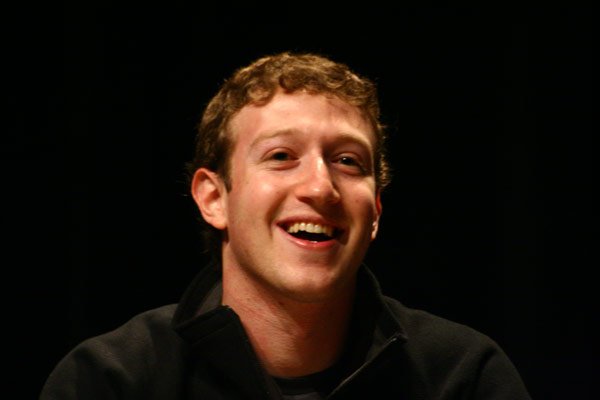
Meta CEO Mark Zuckerberg has rejected the idea of a collective pushback by the AI industry to slow down the pace of building more powerful models, arguing that AI companies have their own motivations to prioritize safety.
On X, Zuckerberg announced on Tuesday that all AI labs are responsible and capable of determining their own speed and how to ensure their models are trained safely. He cited competition and liability as incentives for companies to avoid having their systems being harmful.
His remarks follow Anthropic CEO Dario Amodei’s call for AI firms to pause the rate of improvement in their models three days ago. Sam Altman, CEO of OpenAI, and Elon Musk, the owner of xAI, have publicly endorsed Amodei’s proposal.
Zuckerberg pointed out that a coordinated slowdown isn’t needed as individual companies can take their own precautions. “Instead of just waiting for others to do the same, he said, Meta has slowed down the release of its Muse AI agent earlier this year to beef up its security.
Meta’s strategy is also primarily on creating practical AI products instead of self-improving systems, he said. According to Zuckerberg, a significant majority of Meta’s computing resources is being directed toward products serving users’ immediate needs.
According to Zuckerberg, the practice of independent safety evaluations is already in use in a number of areas at Meta Superintelligence Labs and would be a “standard in the industry” that other AI firms might consider using.
The discussion follows warnings from some AI researchers that more powerful systems are rapidly being developed, presenting challenges that companies may not be able to manage. Anthropic’s Amodei has specifically called for cooperation among AI developers to slow recursive self-improvement, in which AI systems are used to improve their own capabilities.
US authorities have also raised doubts about plans by AI businesses to agree on development restrictions. Chairman of the Federal Trade Commission Andrew Ferguson cautioned against firms requesting antitrust exemptions with their cooperation on AI development.
US President Donald Trump has also downplayed more serious concerns about the dangers of AI and that over-regulation may impact America’s competitiveness against China. Nvidia CEO Jensen Huang voiced similar worries about regulation impacting the competitiveness of the United States.
The disagreement is over the issue of whether safety should be tackled mostly by individual safeguards, or by coordinated restrictions on the pace of development of advanced systems.
Source: Reuters
